June reads, part one
How families hold us together and tear us apart

Hi friends
It’s officially winter here in Oz, although Sydney winters are very mild, and therefore we have no right to complain about “the cold” as much as we do. What can I say, we’re a warm-weather people!
I always have fun reading the northern hemisphere summer reading guides, but one thing I’ve learned living on the other side of the world is that you can read books anytime, anywhere - the seasons always feel topsy turvy to me. What some folks will take to the beach, I’ll read under a blanket on my couch. Are you traditionally a seasonal reader?
I have two backlist books I’m particularly excited to tell you about, so lets get into the books I’ve read so far in June.
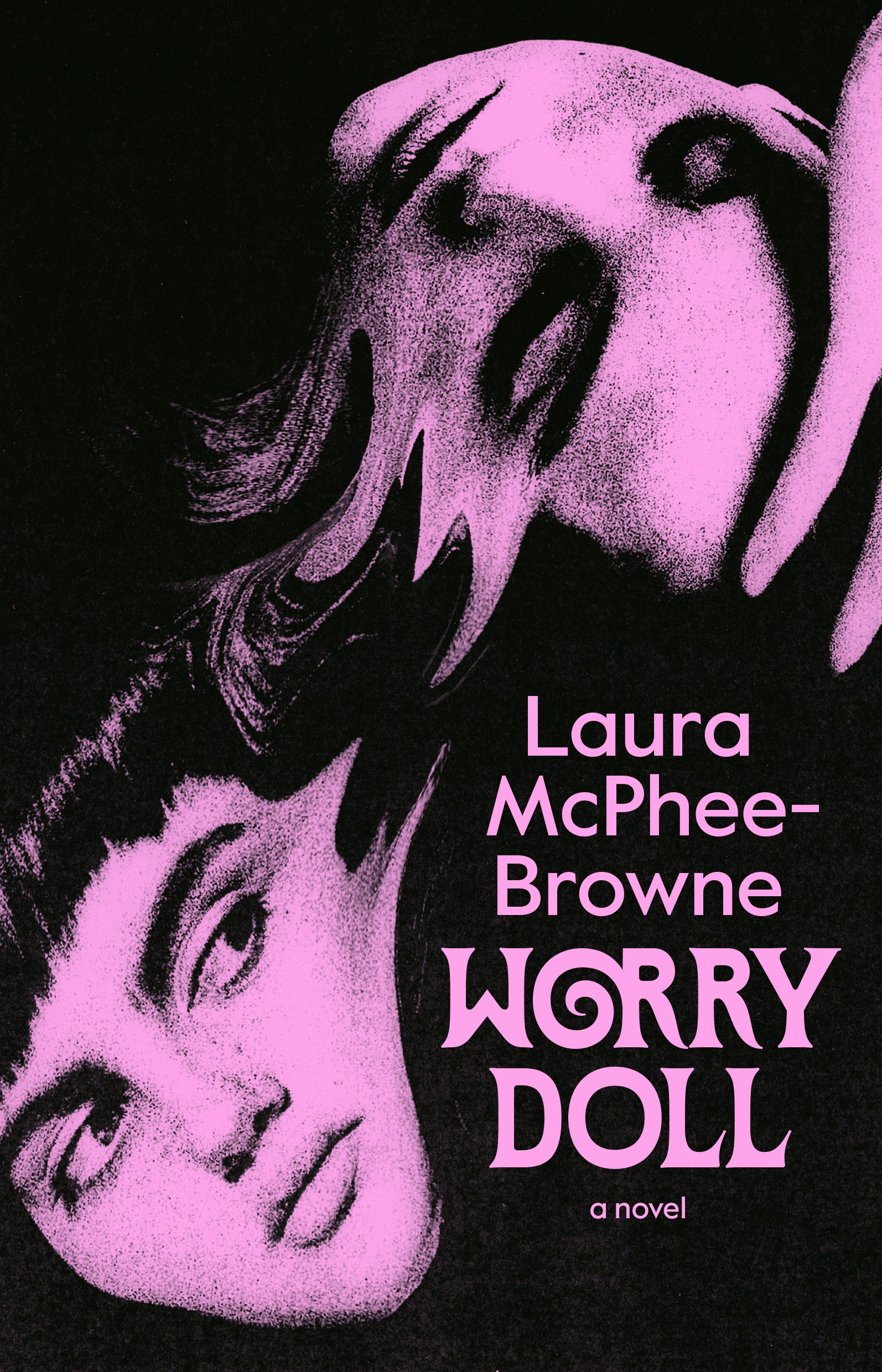
Worry Doll by Laura McPhee-Browne (2026, gifted)
Laura McPhee-Browne burst onto the Australian literary scene in 2020 with her debut novel Cherry Beach. It was widely loved (including by me) for it’s intimate look at female friendship and desire, something she explores often in her writing.
Worry Doll is her third book, out at the end of the month, and it feels to me that her work is naturally evolving and maturing. This is a more ambiguous and ambitious piece of work, and it’s probably going to be up to individual readers if that’s something they’re comfortable with or not. As someone who generally doesn’t need clean endings, I found the unreliability of both narrators exciting. Not having all the answers means I have to work harder to resolve the novel’s themes myself, rather than everything being explained to me.
But I’m getting ahead of myself.
Set between Melbourne, Australia and Wellington, New Zealand, the book is about two women. Heloise is 36 and lives with her long-term boyfriend in Melbourne. Lacey is 24 - she’s in the city for university, but she’s from Aotearoa originally. They meet one day on a train and have an affair, and that is the simplest plot summary I can give without spoiling too much.
In the first part, we get Heloise’s perspective. She’s intense, neurotic, perhaps not totally comfortable with her sexuality. She feels things deeply, and despite her age she has a naïve quality that she brings to her relationships – and not just romantic ones. At the halfway point, the perspective switches. It’s months later and now we’re with Lacey, who’s moved back to Wellington. She’s adrift, preoccupied with someone from her past she’s partly hoping and partly dreading to run into now that she’s home again.
Heloise and Lacey each have their own understanding of their brief time together. The two parts do come together in unexpected ways, and you realise that each remembers only what they want to, tilting their narratives slightly so that you don’t quite know who or what to believe. The plotting and tension in the second half had me quite stressed– in fact I had to read it in one sitting.
The two woman felt complex and well-developed. This is a very interior book, and I always appreciate when characters have something sightly unlikeable about them. To me that’s not a bad thing – we all have parts of ourselves that aren’t perfect, no matter how much we try to hide it. It doesn’t make us bad; it just makes us real. In this case both felt distinct and whole, with desires and bodily functions that felt normalised, not gratuitous.
There are a few slow reveals, and we come to understand that both are also burdened by repressed and unresolved issues from their pasts. But their impulsive decision to come together that day on the train leaves the reader wondering: whose version of the truth is real?
One thing I loved is that she gets each of these micro-cultures SO right – the book feels atmospheric in all the best ways. I spent a lot of time in New Zealand when I was younger and it’s a place I remain very fond of, so it was nice to feel like I was right back there within these pages.
I really enjoyed this - McPhee-Browne gets more interesting with every book she writes. Recommend.
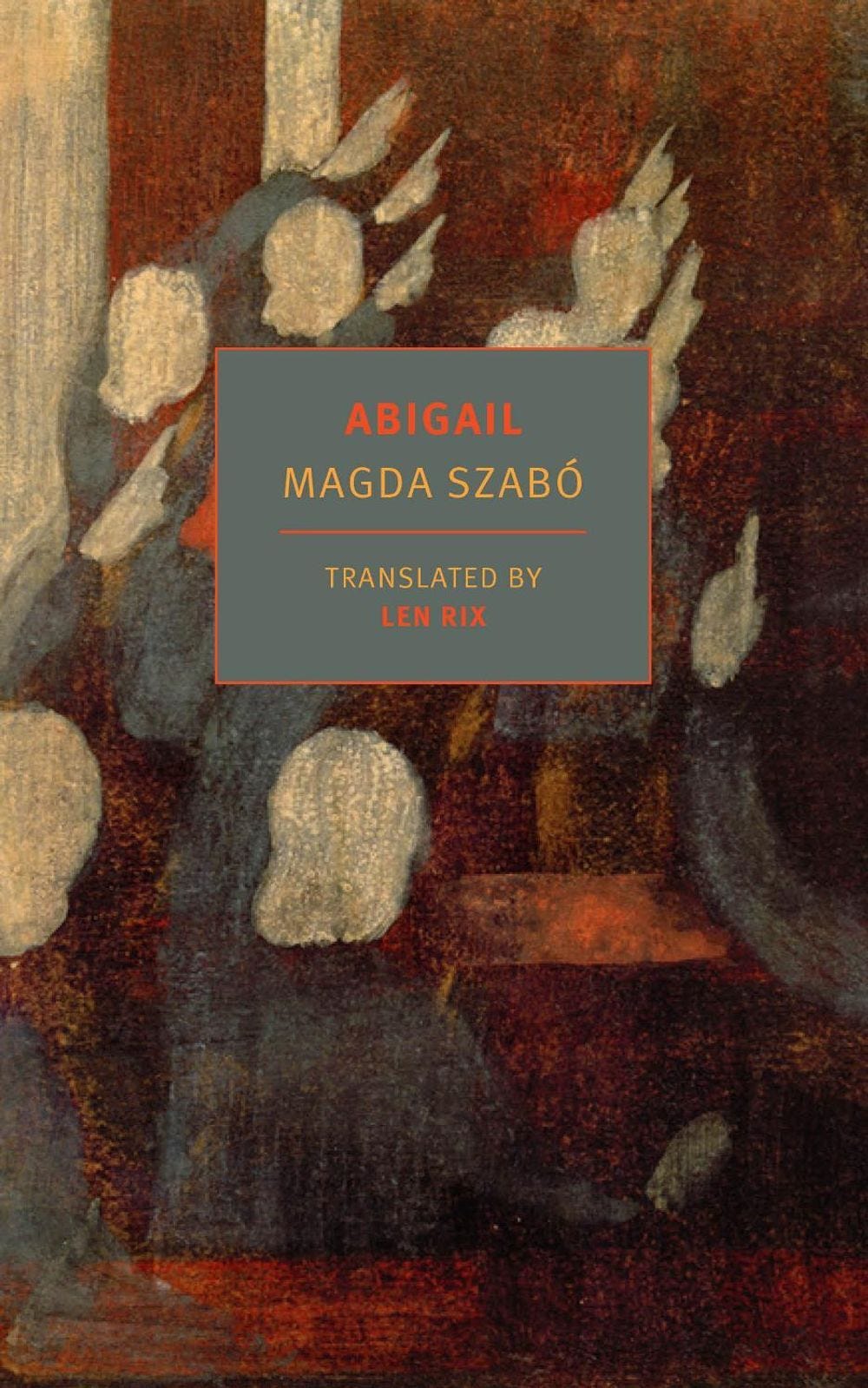
Abigail by Magda Szabo, translated from Hungarian by Len Rix (1970)
I finally read Magda Szabo and I am a total convert. There is no greater feeling in the world than reading an author for the first time and thinking YES! I love this! I am ALL IN and ready to read everything you ever wrote.
I’ve seen Abigail billed as YA (maybe because it’s set in a boarding school?) but I would call it a coming-of-age novel. Don’t be put off by this either way because it’s exploring some really complex themes, like loss of innocence – that moment when you pass from childhood to adulthood and everything you understood of the world is gone forever. This is such a singular moment in adolescence, one we’ve all been through, when the safety and comfort of everything ordinary is left behind. Perhaps this happens because of family strife, or first love, or a friendship folly. Or perhaps, as is the case here, it’s because of an external world event that is totally out of your control.
Our protagonist is 14-year-old Gina. She’s the only child of a widower, a general in the Hungarian army who has been happy to spoil his daughter and raise her mostly amongst adults in bourgeois Budapest. Out of nowhere and with very little explanation, he sends her to a religious boarding school in the countryside, despite having never been particularly affiliated with Christianity. And nobody is allowed to know where she is.
Gina is devastated at this turn of events, and believes her father is trying to get rid of her so he can remarry. This alleged betrayal makes her act out – she finds it difficult to make friends, rebels against her teachers, and ultimately finds herself completely ostracized.
Against all these schoolgirl dramas, however, looms WWII. The book begins towards the end of 1943, and if you are familiar with this period in history you may know that Hungary’s position in the war at this time has become precarious. Although they are part of the Axis the tide has turned against the Nazi’s. The Hungarian government tries to negotiate with the allies – but Germany find out and end up invading and occupying the country to prevent them from deserting.
None of this happens on the page. But there are more and more hints as we move through the book that things are not right outside the walls of the boarding school. These moments are SO skilfully done, and ramp up the tension such that in the second half, when real danger calls, you will be left quite breathlessly racing through to see how it comes together.
But if our protagonist is Gina then who, I hear you ask, is Abigail?
She’s a statue on the school grounds, of a woman holding an urn. Legend has it that if you’re in trouble, you can write to Abigail and leave the note in her pot - she’ll find a way to help. And even though Gina is sceptical, there are times she has no choice but to call on the statue for aid…
I don’t want to gush nonsensically about this book, even though I truly loved it, and I’m sure it will be one of my favourites of the year. But this nails the holy trinity of writing for me: plot, prose and character. Gina can be annoying AF – aren’t all 14-year-old girls, I’m sorry to say? But her voice is utterly convincing. The thing is, the story is so perfectly paced, particularly as the drama shifts from inside the boarding house to outside. It’s subtle, the way the stakes rise - until it’s not. That is the moment Gina leaves behind the safety of her childhood forever and I promise, you will love her dearly then.
Szabo writes the pain of that moment so exquisitely. There’s a resignation and acceptance in her afterwards that embodies what being a grown-up is about, things asked of her that make her earlier problems seem like a walk in the park. When you’re a kid you can be self-centred. But when you’re an adult, sometimes you have to think of the greater good. And that broader message of compassion and resilience will resonate as much now as it ever did. Could not recommend more!
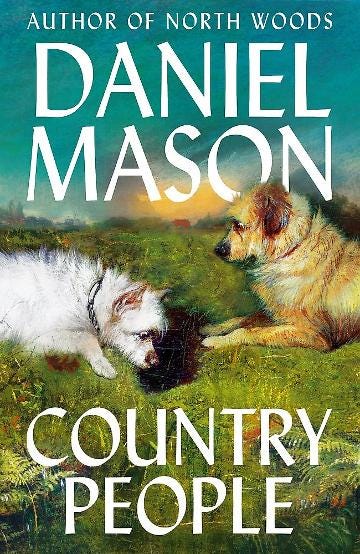
Country People by Daniel Mason (2026, gifted)
I can’t think of many people who didn’t love Daniel Mason’s 2023 novel, North Woods. It was one of my best books of that year and like everyone else, I’ve been looking forward to his next endeavour.
The thing is, now I realise how difficult that was always going to be for Mason, coming off the back of such a beloved novel. Quite honestly, I think Country People will suffer from comparisons when it is an altogether different reading experience – this is a contemporary story, set across a very defined one-year period. It’s not the sweeping saga North Woods was, and it’s not historical. This is satirical in tone, so the writing is different, although in my opinion just as good.
But do I think Country People is a better book? No. Even objectively, I can’t say that. Still, it deserves to be read and critiqued on its own merit, and that is what I am trying to do here – because there are things to enjoy!
The novel has a sort of omniscient narrator who is telling the story, coming at us with asides and quips about things not even the characters necessarily know or understand, especially about themselves. I found this charming and quite often funny, and humour is something that can be hit or miss in fiction. I think it worked here - partly because we understand from the outset that this is going to be an eccentric and perhaps slightly absurd tale.
Miles is a good husband and dad, but he’s a bit lost. He’s 12 years late on his PhD, which still isn’t finished, and he senses he’s becoming a disappointment to his family. His wife Kate has been offered a visiting professorship at a college in Vermont, and he decides this is the fresh start he needs to move forward. Together with their two kids and their dog (called Giuseppe which honestly was hilarious to me), they move across the country from L.A to New England. When they get there, they meet a cast of characters who feel like strangers at first, but soon become their community.
In many ways this follows the age-old trope of city slickers moving to the country and getting more than what they bargained for. Mason leans into stereotypes in a way I found mostly endearing but sometimes grating – how many oddballs can there be in one small town? Nonetheless he writes with real love about these people, and at no point did I think he was trying to be nasty. In offering up these typecasts his point is very clear: that person you at first judged is a human being too. When you enter a new place with its own set of local lore and ways of living, you must be accepting in order to be accepted. At the end of the day, their peculiarities are assets and their community is stronger for it.
Miles himself fell into a stereotype – he’s a white, middle-class, middle-aged guy trying to find himself. A case can be made that it’s not that interesting, and there are moments the book felt baggy to me in that respect, especially combined with SO many quirky side characters. Even though I could see what he wanted to do with these tropes, they still wore a bit thin. Having said that, his quest to find connections with those around him, even when they didn’t feel like people he woul be friends with in his previous life, ultimately felt affirming rather than cliched.
The story obviously builds towards a crisis, but I didn’t feel the stakes were high enough for me to be truly worried. I think I would have liked the tension to go up a notch. As it was, I felt basically comfortable that everything would be nicely resolved. Then again this is a mostly ordinary family dealing mostly with ordinary things. Their children are growing and changing, their personal expectations of life are shifting, they sometimes withhold information from each other. All of that was explored nicely, even if i didn’t think it was unique.
And the writing, I must say, is as good as ever – he is just so striking with his imagery, and there are moments of genuine humour. Some chapters are transcripts of a radio program that Miles listens to, for example, and they felt somehow both ridiculous and pitch-perfect! I said I wasn’t going to compare North Woods, but I do think it’s worth noting that it feels as though Mason is trying to have a bit more fun here – he is, I think, reaching for whimsy and charm, and even though he doesn’t always get there when it works, it works.
A mixed bag for me but overall, I think it’s a good book and an interesting evolution for Mason. I will be curious to hear what others think when it comes out on 7 July.
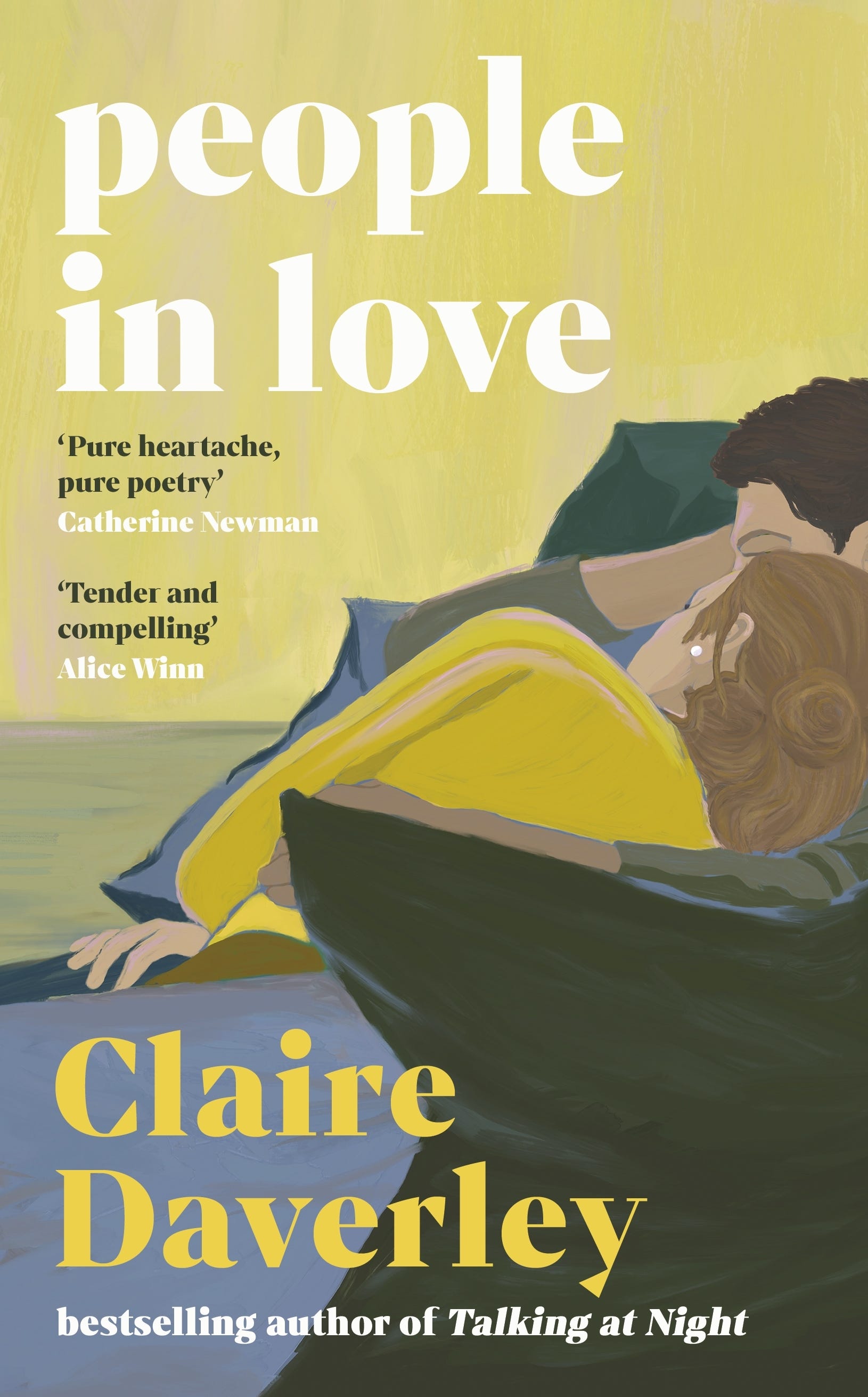
People in Love by Claire Daverley (2026, gifted)
I like a romcom every now and then. I have my go-to favourites, like Emily Henry, and find them to be delightful palate cleansers. But the emphasis for me in ‘romcom’ is the com – laughs are essential! The truth is I’m not really a romance reader in any other respect. The closest I would come is maybe Sally Rooney? But there’s usually other stuff going on in her books.
Anyway, this is not the fault of romances at all. I’m just someone who doesn’t react well to overwrought romantic situations even in my real life, and I find it just as unbearable to read about it on the page.
This preamble sounds like I’m about to launch into a critique of People in Love, which I would call a contemporary romance. But this one surprised me! I was kindly sent an early copy by the publisher and decided to be brave and try it. So I sat on the couch one Saturday afternoon and before I knew it, I’d whipped through 200 pages without pausing to check the time – I was late to dinner that night, but it was a good reminder that judging genres sometimes holds you back from a lovely reading experience, as this ended up being.
The book is about Nora and Robin. They just got engaged, and even though they’ve always said they didn’t care about marriage, they find themselves excited by the prospect of this wedding because they are deeply in love.
The book is also about Nora and Bren: her best friend, her first love, the one she was prepared to leave their small town for. They were going to travel the world together, free from social norms and expectations. Except that didn’t happen – when Bren’s father died unexpectedly, he left on his own and even though they’re still in touch, the silent longing between them has remained unspoken.
Bren’s been living in New Zealand, and when Nora invites him to her engagement party on a whim, she doesn’t think he’ll actually come. BUT OBVIOUSLY HE DOES! And then there’s trouble, because it turns out she isn’t quite over the drama of her youth.
This is set partly in London and partly in Hertfordshire and let me just say, half the charm is in the setting for me with these kind of books. I liked the countryside descriptions and London is one of my favourite cities in the world, so that was a plus. This is another one that leans into certain tropes, and I decided to just go with it rather than fight it. It’s a road not taken story, and sure, the characters are basically a bit of a cliche. Nora is the slightly offbeat sweetheart who does everything for everyone. Her mother is a raging feminist. Robin is the nice guy, too good to be true BUT HE IS TRUE. And Bren has mild bad boy energy – he’s here to wreck the party and is too self-centred to see how his actions are hurting Nora.
Standard. But does it mean I enjoyed the book any less? Nope!!
The ending was slightly unexpected, but it all resolved in exactly the right way and that is exactly what I wanted. And Daverley’s writing is good, although that overwrought feeling I described earlier is definitely there. I wouldn’t say I was emotionally broken by this – no tears from me, I’m afraid. But I was invested in the love triangle for sure, and even though I am not into romantic angst, I enjoyed that pleasant tug of wanting everything to be OK for everyone involved.
I don’t really have a lot more to say about the book and although it’s not going to end up on my 2026 favourites list, this was a very, very nice way to spend a weekend!
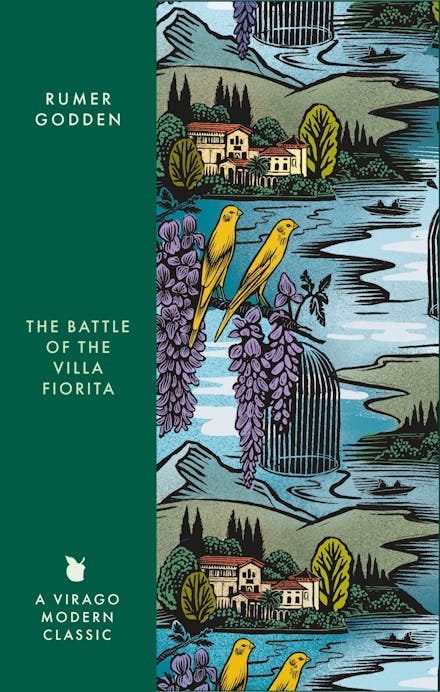
The Battle of the Villa Fiorita by Rumer Godden (1963)
This exceeded my expectations in every way, but it was also not the book I thought it would be. In fact I was left quite shaken by it, and it hasn’t left my mind since.
The one-sentence summary you will find online is something like: “two English children travel to Italy to rescue their wayward mother from her lover and save their family.”
What a romp, no? Italy! Lovers! Children on an adventure! All will come right, I thought, in a story like this.
But the book was MUCH more morally complex than I expected, and all the richer for it. It’s the sort of thorny novel I want to talk to everyone about, and I suspect anyone who reads it will find themselves similarly confounded by their feelings at the end.
I’ll go a little deeper into the plot. When the book opens, we learn that the lives of the Claverling children, Hugh and Caddie, have been upended by their parents’ bitter divorce. Their lovely big house in the English countryside has been abandoned and now they’re in a London flat with their father and older sister Phillipa, who’s about to leave for spring in Paris.
The reason for the divorce is because their mother, Fanny, had an affair with another man, a film producer called Rob. Now they’re living in Italy, on Lake Garda. Per the conditions of the divorce, she has had to give up the children. Fanny has always been dependable, loving, even shy - the kind of person who put everyone else first. It is therefore a true shock when it’s discovered that her loneliness has pushed her away from her family and into the arms of a man she feels truly sees her.
Caddie is only 11; she doesn’t really understand the workings of the human heart. Hugh is 14 and is slightly better equipped to navigate the adult world but his adolescent emotions frequently get in the way. Ultimately, they decide the situation is intolerable and take drastic action. Instead of going back to their boarding schools for the new school term, they run away to find their mother in Italy and demand she comes home to them. At the Villa Fiorita, a showdown between the children and the adults takes place – and there will be no peace until they are victorious.
From the summary I’ve just given, it would be easy to assume that the children are brats, the mother is selfish and the lover is a cad who is probably using her. In fact, none of that is true, and what I find so astonishing about Godden’s writing is how she can inhabit the hearts and minds of everyone in the book with such authenticity. We get the perspectives of both the adults and the children, but the devastating truth is there will be no winners here.
Godden is so careful to ensure that these characters are represented fairly and without judgement. Hugh and Caddie are not capable of understanding that their behaviour at the villa is tearing their mother apart, despite also having awareness that the love between her and Rob is in fact very real and makes her happy. There were times I was so angry at them for not letting her be – how entirely thoughtless and self-indulgent, to not be able to see that your mother is also her own person. And yet how can this be fair? To them, their mother is NOT in fact her own person, she’s their mother. She belongs to them and has done their whole lives. To be parted from her is a pain they cannot bear, and Godden puts us inside their small minds to make sure we can feel every moment of that angst.
Then there were times I was angry at Rob. He behaves coldly towards the children and acts as though they are a burden rather than a very real responsibility Fanny has, one she herself is not capable of totally abandoning. If she could, she would have taken custody of the children herself – but because she was the guilty party and the reason for the divorce, that was not possible. Rob has been used to having Fanny to himself without thinking about her duty of care as a mother. But again, Godden helps us see the anguish he feels when he sees Caddie cry, for example. What I first perceived as coldness I then understood to be his personal view that children should be treated with respect - not talked down to but met as real people with real emotions. The children themselves find themselves able to talk to him about things they can’t talk to their mother about for this reason. And his love for Fanny isn’t fake – this too is part of what I found so hard to content with - he believes she deserves to have a life filled with the best things in life, including a man who will adore her.
Finally, Fanny herself – a woman torn in two. She stayed in a loveless marriage for a long time, did the right thing by everyone, put herself last always. She believed herself to have no value until Rob came along and made it clear that she did, to him. Godden does not falsify the difficulties of having an affair and the emotional burden that comes with it, but she also makes Fanny entirely real, a woman who wants desperately to live whatever life she has left in happiness, rather than misery. Of all the people in this novel, and of all the inevitable consequences of this situation, it was Fanny I cried for. I was so, so upset by how the book ended despite intellectually understanding it. There are dreams and there are realities and it is not often the two can happily meet.
This book hurt me – but I loved it!! All I want to do now is read more Rumer Godden, and I have my eye on at least three of her other novels. Highly, highly recommend.
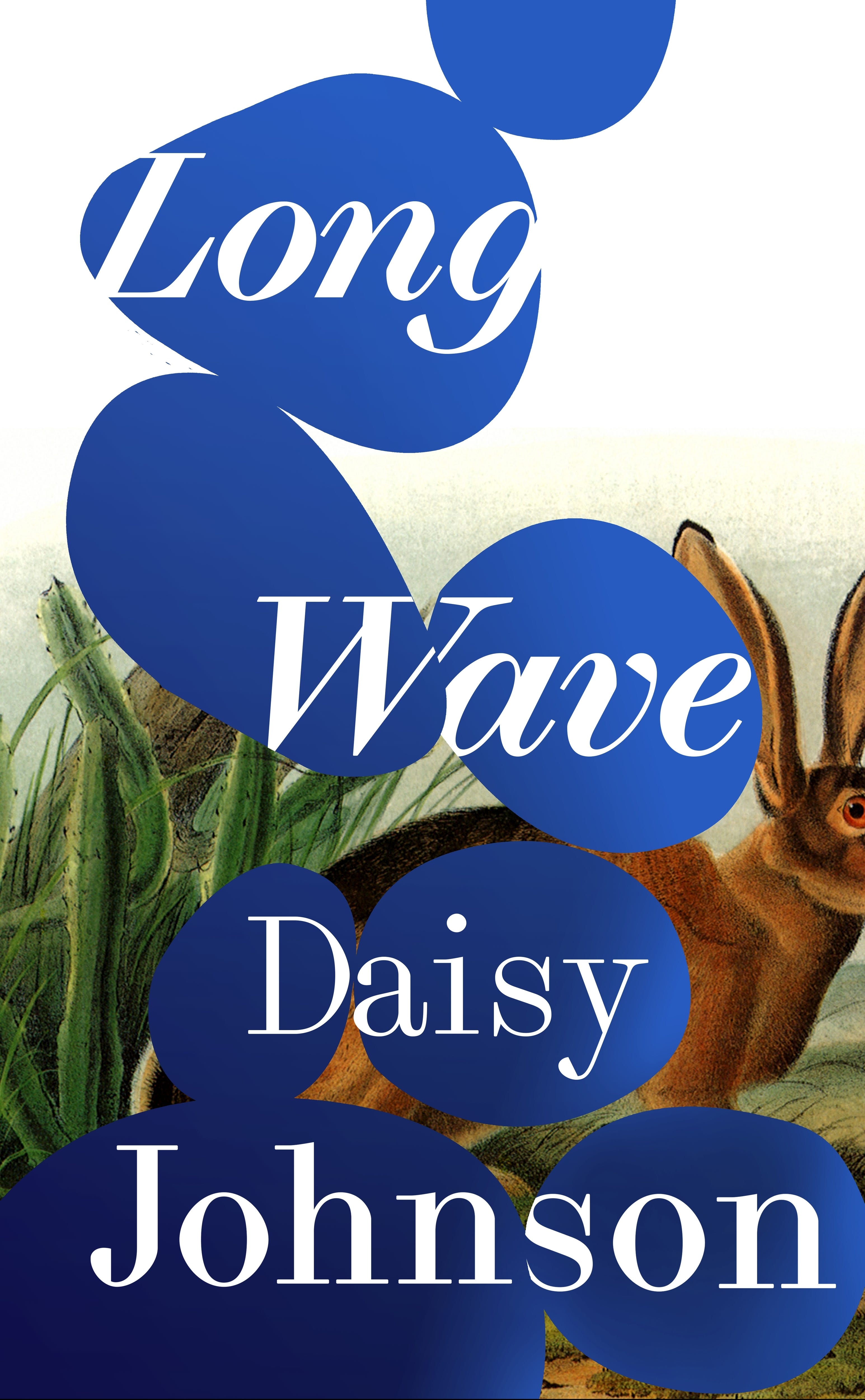
Long Wave by Daisy Johnson (2026, gifted)
I have read and thoroughly enjoyed all of Daisy Johnson’s books – I find her quite haunting, and she writes about the natural world in a very primal way, particularly bodies of water. She also writes a lot about the intensity of female relationships – mothers, daughters, sisters, friends. And her books often feel shape-shifty, vaguely mystical.
In Long Wave, these themes recur in new ways. Even though she’s an unsettling storyteller, she never leaves you with the sense that things can’t be put right.
Time is slippery in this book; it goes back and forth and you have to pay attention to where you are. But we have three generations of women – Edith, her daughter Ruth, and Ruth’s daughter Ori. There are other perspectives too, but these three are the backbone of the narrative.
When Ori is a little girl she’s found on an island, alone. She’s raised by a kind man who becomes her father and forgets her early life entirely.
Back in time, and it’s Ruth who’s a little girl. She’s convinced she sees a woman and her baby walk into the river near her house and disappear. The police are called, divers, ambulances, but no one is found. Afterwards, she’s not the easy child she once was. She becomes obsessed with an island that her neighbours go camping at each year. The thought of that wild place, where she can live life with no rules, feels magical.
Back in time again, and Edith meets her husband Patrick for the first time. Things don’t unfold as she expects, but she dreams of having a daughter one day, that she will love and care for and who will be totally her own.
Through this matriarchal line, we witness generational trauma, transformation, rebirth. And it’s beautifully told, non-linear in a way that highlights how decisions have consequences, and those consequences converge downstream repeatedly. These women all desperately want to be mothers, but they find motherhood challenging in ways they didn’t anticipate. The sleeplessness, the claustrophobia, the fear, the anxiety – it’s was overwhelming to read sometimes, by design. You’re inside their heads and this frankness felt important.
Although it’s clearly a book about mothers and daughters, there’s another important element in the plot, and that’s found family. When Ruth is living hand to mouth with baby Ori, she meets another woman, JP, and the two decide to join forces and raise their kids together. It’s still a hard life, but resilience is easier because they’re together. And no matter how things play out, the impact of that friendship also reverberates down the line in heartfelt ways.
I’m not going to lie, this book was intense. There were some moments when I wanted to be out of it, simply because Johnson’s writing is SO immersive that you feel like you’re drowning inside the murky sadness of these lives. But the resolution was worth it, and that is what she always seems to do so well – push you, make you uncomfortable, but then bring you back to safety again. Out 7 July - recommend!
So there we go! Favourites by far from the last two weeks were Abigail and The Battle of the Villa Fiorita – go read them!
As I close this newsletter, I’m thinking ahead to my annual mid-year holiday. I’m lucky to have friends in the UK and around the world, so these trips usually begin with a few days in London. After that, it just depends on what I feel like. This year, I’ll be doing two weeks in Italy and a short stint in Berlin before heading home.
But more on that next time. Let me know what your stand out read has been from the last fortnight.
See you again in two weeks for another book round-up!
Until then,
Nell
I love this Nell! I’m particularly intrigued by those two backlist picks now
Ohhh interesting about Country People … I’ve been afraid of how it would do after North Woods